It is leadership development malpractice to ignore this issue.
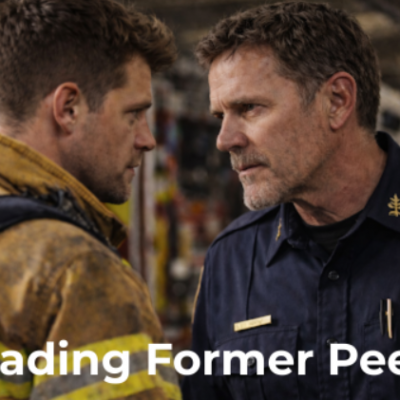
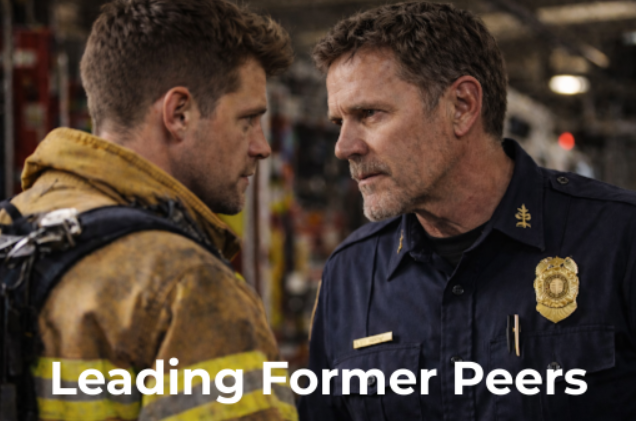
Have you been in this situation: After being promoted, you realize you are leading a former peer who is cutting corners. Maybe they are operating in a gray area when it comes to following policies. Or perhaps their behavior in the workplace includes jokes or choices that create issues within the team. To make it even more difficult, they may be doing something you used to do as well. And they know that!
After 1000’s of interactions with law enforcement, fire, and business leaders, this situation is so common that it is leadership development malpractice to ignore it.
This issue is preventing good people from leading well in the law enforcement and fire services. If supervisors across these professions stepped forward and made the choice to address their old buddies, the entire culture in their teams and in the profession would begin to shift.
People would no longer be shocked when an old friend corrected their bad choices. When the leader is consistent and has these conversations with old friends and new employees, everyone knows what to expect and where the lines are drawn. The leader will be respected and the organization will follow their lead.
Across the public safety professions, leaders are growing up with people they will one day be called to lead. They will be asked to encourage them, correct them, and sometimes even fire them. This is not an exercise in skill or competence. This requires the exercise of character.
Whether you address these issues is, first and foremost, a reflection of your character. What will you choose? Character or something less?
Specifically, the Habits of Character a supervisor needs when leading a former peer are Courage, Humility, Integrity, Selflessness, and Duty.
Courage: Acting despite perceived or actual risk.
Coaching and correcting a former peer is not easy. But it’s an uncomfortable situation that all leaders face. Maybe you went to the academy with them. Maybe you know their families. And maybe, they will react poorly when you exercise the Courage to address the issue.
Humility: Believing and acting like “it’s not about me.”
You may have to admit that you used to do the same thing, but now you have to admit that you were wrong then and that you would be wrong to let the behavior continue.
Integrity: Doing what is good, right and proper, even at personal cost.
Your Integrity is at stake if you claim to have standards, yet you don’t act in this situation. You can’t say one thing yet do another and still maintain your Integrity.
Selflessness: Putting the needs of others before my own needs, desires, or convenience.
Your team is watching how you are going to handle this situation. If your discomfort with the conversation prevents you from taking action, you just put your own comfort in front of what is good for the individual, the team, and your department. That is a selfish decision. Leaders do hard things.
Duty: Taking action based on my assigned tasks and moral obligations.
It is our moral obligation as leaders to correct behaviors that are detrimental to the individual, the team, and the profession. Letting it go or putting off the conversation sets a precedent for your leadership in the future. How can you correct someone else if you don’t correct your former peer?
The lack of action by leaders when leading former peers can be seen in case after case of misconduct that went unaddressed until there is a major failure. These major events could result in a catastrophe like loss of life, or something less public like the lack of respect or cliches within teams, the ending of a career, or something more systemic like morale issues, retention issues and recruiting problems.
This scenario is a test of a leader’s character. You have a choice. Each time you choose to exercise these Habits of Character in this setting, it will be easier for you to make the same choice again in the future. That is how all habits are formed, one choice at a time.
We are doing a series on the most common character challenges that supervisors face. We will focus on law enforcement and fire in these situations. But these are prevalent in all professions.
The response hinges on this question: Will the leader exercise these Habits of Character when the time comes? Or will they fall short and choose the lower road?
Question:
- Who is a former peer that you are leading right now?
- Do you need to address an issue with them?