20 Things Courageous People Say

The everyday heroes you know have probably said something similar. I love movies where people do heroic things. I read biographies and novels like The Gray Man series, which are full of courageous stories. I work with courageous men and women in law enforcement and the fire services. And I am blessed to have many friends and family who served and are serving in the armed forces who I consider heroes. Their stories are all filled with a common language. What do courageous people say? Here is a list: Not on my watch! If not me, then who? If not now, then when? What if everyone were selfish and ignored this? No more! Because we are better than that. I can’t NOT do something. What if my kids were watching? I’d rather be fired than be a hypocrite. Because they are human beings. I couldn’t look in the mirror if I had let it go. Because that’s my responsibility. What would Jesus do? I am the leader. I was quiet for too long. I volunteered for this job. It’s what I am trained to do. What if that was my daughter, wife, or mother? This has got to stop! They would have done it for me. When you read this list, you realize these statements can apply to anyone. In fact the everyday heroes we know – foster parents, ER staff, volunteers, and school aides – often have the same attitudes. The list above could be a lot longer. This is just a partial list that is meant to remind us that Courage is accessible to all of us. The heroes you know probably have said something similar. How could this list prepare you for that future moment when you may be called to be courageous? Heroes aren’t only in the movies or in books. We should all want to look at one in the mirror each day. Wrong is wrong even if everyone is doing it. Right is right even if nobody is doing it. – William Penn Questions: What would you add to this list? How could it affect your daily choices? Here is a quick assessment that will take you 5 minutes to figure it out. Nobody will ever see your results but you. Warning: If you are not going to be honest with yourself this is a worthless assessment. To take the assessment use the QR code above or go to www.MYCHARACTERTEST.com
Bullies at Work – Bold Resistance is Needed
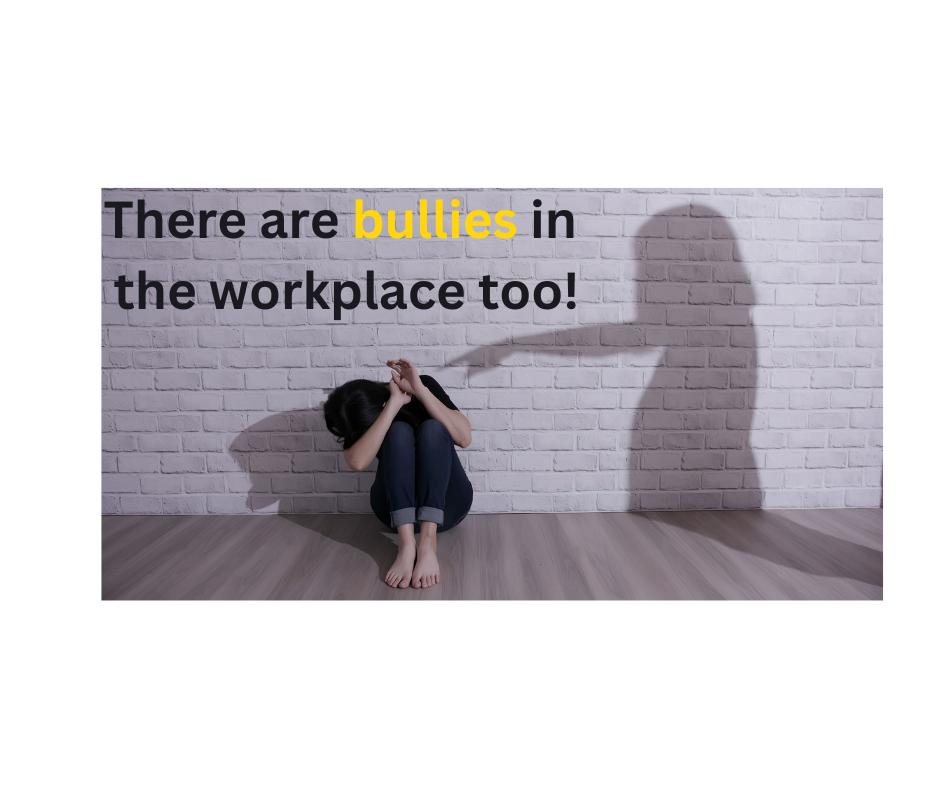
Bold resistance shuts down bullying better than a carefully worded policy in the workplace. Our society has put a lot of needed emphasis on bullying in schools recently. But the truth is, bullying is everywhere. Yes, it happens on the playgrounds. But bullies are bosses who scream and threaten. Bullies are coworkers who gossip and snicker. Bullies are spouses or parents who belittle and abuse. Bullies are usually just insecure cowards. Insecure cowards will back down when someone with Courage and confidence steps up and speaks up. It will take Courage, because that bully has been allowed by others to behave poorly in the past. You may be the first person who takes a stand. If that person is in a place of authority, that person could make your life difficult as a result of your Courage. But if not you then who? The bully will keep screaming, gossiping, or abusing. I am not a professional counselor, but wherever bullying happens, it will take Courage for you to stand up and report that situation. Without someone of Courage, the bully will not change. It is the same in the workplace. When there is a bullying boss who resorts to screaming and foul language to get what they want – bold resistance is needed. When there is a co-worker who talks about people behind their backs – bold resistance is needed. Bullying Bosses People tell me they put up with bullying bosses because they are afraid they will lose their job. But why would anyone want to stay in that situation? You are not trapped. Take action. Say something privately to your boss first and give them an opportunity to change. If that does not work, then go up to the next level or to your HR professionals for help. If that doesn’t work, then you have done your Duty. It is time to leave and find another place to work. Bullying Coworkers When the bullies are the coworkers, people claim they do not want to seem to act like a stick in the mud, a prude, and then be pushed out of the group. Why would you want work with those people? The odds are they are saying the same thing about you when you are not around. The gossips are cowards and insecure just like the screaming bosses. Someone speaking up during a meal and cutting off the trash talking is powerful. The bullies may call you names, but there will be others who respect your Courage to make a stand. They will be the people who join you for lunch in the future. And I guarantee it will be a more enjoyable meal! When we see bullying we have a Duty – a moral obligation – to take action. Bold resistance shuts down bullying better than a carefully worded policy in the workplace. In fact, if more people stood up to the bullies, the policy statements may never have been needed. When there are people who exercise the Courage to say, “No more!” the bullies will be exposed as insecure cowards – just like the bullies on the playground – and fade into the backgrounds of our lives. Questions: What would it feel like if you no longer had to deal with the bullies you face? Who will be the person with the Courage to face that bully and take action? Here is a quick assessment that will take you 5 minutes to figure it out. Nobody will ever see your results but you. Warning: If you are not going to be honest with yourself this is a worthless assessment. To take the assessment use the QR code above or go to www.MYCHARACTERTEST.com
Why Do People Enter Burning Buildings?

Knowing what you stand for clarifies your moral obligations. When you witness someone do something heroic do you ever ask, “What made them do that?” I know I do. It is hard to imagine running into a burning building without calculating your odds of success. When you stand outside the building and you feel the heat on your face, it’s natural to determine that the odds are against you. Yet firefighters enter that building anyway. Sometimes, untrained civilians have made that same choice as well. Why did they choose to enter the burning building, while others hesitated and watched the flames rise? The truth is, Courage did not just well up inside them out of nowhere. The heroic often take action based on what they decided were their moral obligations before feeling the heat. They already knew what they stood for before they were faced with the decision to do nothing or do something. Because they had already determined those moral obligations, they did not hesitate. When a quick decision needed to be made, there wasn’t an internal debate. They saw their moral obligation and took action. It was not the probability of success that made their decision, it was their sense of Duty. Duty Definition: Taking action based on our assigned tasks and moral obligations. What heroes say after the fact tell us something about the moral obligations they had already determined beforehand. Veterans, first responders, law enforcement, and everyday people who made a heroic choice say things like: ● I would not let my brothers or sisters down. ● The team is bigger than me. ● My Integrity is non-negotiable. ● I couldn’t just let it happen. ● Someone had to try to help. How can we prepare ourselves for the moment when our Courage will be tested? The fact is, few of us will ever face the prospect of running into a burning building, but rest asssured, our Courage will be tested in other ways. What will make you more likely to pass those Courage tests? How will your moral obligations become clear? We need to determine what we stand for. Once we know what we stand for, our moral obligations gain clarity. Here is a list for you to consider. ● Others before self. ● My word is gold. ● If not me then who? ● Always make others better. ● Always make the situation better. Maybe you want to stand for these things above. Maybe you have your own list. The point is, knowing these things ahead of time will give you Courage when hesitation could make the difference between success or failure or even life or death. Knowing what you stand for will not guarantee you will act with Courage at that moment of testing. But without knowing what you stand for, you will be tossed by the waves of life. Your opportunity to choose Courage will pass while you hesitate with the timid who choose to just watch. You become a bystander in life instead of a person who knows who they are, what they stand for, and therefore takes action. Questions: ● What would you add to the list? ● What is your list? Here is a quick assessment that will take you 5 minutes to figure it out. Nobody will ever see your results but you. Warning: If you are not going to be honest with yourself this is a worthless assessment. To take the assessment use the QR code above or go to www.MYCHARACTERTEST.com
The Cynic is Never a Good Leader
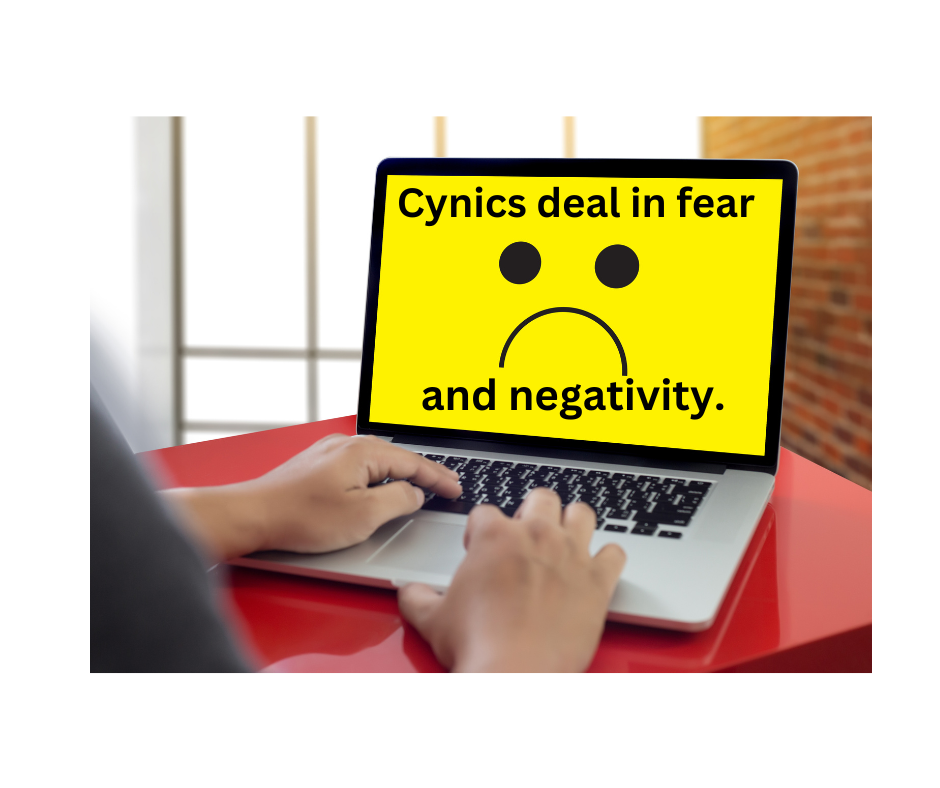
Leaders of Character focus on what can be done and lead hopeful teams. Cynics focus on what might not work and create helpless individuals. Some people are very gifted at playing the role of the devil’s advocate. They are quick to poke holes in plans and tell us why something is not possible. They make it a priority to bring other people “back down to earth.” Honestly, someone playing the devil’s advocate role is not a bad idea when I am around. Because I can be an optimist to a fault. It is good for someone to slow me down a bit and make me think things through more carefully. The problem lies when someone makes the role of devil’s advocate a lifestyle choice. The world is full of cynics. Wherever we go, we encounter the cynical attitudes of others. Cynics never encourage, they discourage. Cynics never lead change, they manage the status quo. In fact, cynics often hate two things: Change and the way things are. The cynics tend to pull others into their negativity. They may call it a “reality check” because they are good at seeing the problems. But their view of reality convinces a lot of us to hold back, don’t risk it, or that something can’t be done. In that environment, opportunities fade and hope disappears. For the rest of us, this is the moment of truth. This is where we must choose Courage and Positivity instead of fear and negativity. Only brave people have hope in the possibilities and reject the naysayers that may surround us. Courage and Positivity are the cornerstones of hope. Fear and negativity are the cornerstones of despair. When we listen to the people who say something is hopeless, we are letting them project their fears and negativity onto us. Leaders of Character focus on what can be done and lead hopeful teams. Cynics focus on what might not work and create helpless individuals. If you are someone who is allowing the cynics around you to drive you to be cynical as well – Choose to fight the cynisism! Choose the Courage to keep going. Choose the Positivity to say “Can do” and not give up. Don’t surrender to cynicism. Fight it! Fighting the cynics won’t change the reality. But the hope you build in that fight will change YOU! And then, you will want to share your hope with others. Hope is not about ignoring reality. Hope is choosing to see the reality that the cynics see and having the Courage to face that reality and see the possibilities that become clear when you exercise Positivity as well. If a cynic is reading this right now, my hope is that you will look in the mirror and decide that this time, the change is worth it. You see that being a cynic will never inspire anyone to follow you and you decide to be that person in the future who leads with hope. Questions: When has a cynic’s “reality check” stopped change? How could you bring hope into a situation like this? Here is a quick assessment that will take you 5 minutes to figure it out. Nobody will ever see your results but you. Warning: If you are not going to be honest with yourself this is a worthless assessment. To take the assessment use the QR code above or go to www.MYCHARACTERTEST.com
How Fear Causes Us to Drift Towards Mediocrity

Will your drifting get you where you want to go? Leadership is uncomfortable. You can not lead well and maintain your comfort. Choosing our comfort will never get us to the place in life we aspire to be. The status quo is comfortable even when we know we are falling short. We procrastinate and stay comfortable. We avoid tough conversations and tough decisions in order to stay comfortable. When we do that, we drift towards mediocrity. The truth is, we all face fears in life. Fear is not a bad thing. It is essential to survival in many ways. It is a signal that we need to look at the risks in front of us and make some choices. The problem occurs when we allow those fears to make too many of our decisions for us. Very few people set out to be ruled by our fears. When fear rules our decision making, it is often a result of habit. Each time we choose to listen to the voices in our heads, it gets easier to listen to the voices again and again. Each small choice in those moments moves us closer to or further from becoming a Leader of Character. The quality of our work, our relationships and our character is determined by how we approach those fearful or uncomfortable moments. To avoid drifting toward mediocrity, we need to identify what causes us to make those choices between Courage and cowardice. Moral drift often occurs due to inattention and rationalization. We excuse ourselves from exercising Courage and drift towards being a lesser version of ourselves. Most people are not facing mortal or physical danger when physical Courage is needed. We are facing situations where we are called to exercise moral Courage, and we begin rationalizing. I’ve never done it this way before. I’m too young to speak up. Other people are doing it. People could disagree with me. It’s just this one time. We need to stop and recognize when we are rationalizing. We need to pay attention to the fact that our small decisions will prepare us for the harder decisions later. We need to be intentional about who we are becoming. Just like cowardice gets easier the more you do it – so does Courage. Nobody ever drifts towards excellence in anything in life. They become excellent by working intentionally towards it. Growth comes through acknowledging our fear or discomfort and taking action anyway. So if you are feeling uncomfortable, recognize it as an opportunity to grow because of that discomfort. Avoiding it will halt your growth, and you will stay stagnant because of those choices. But, if you decide to exercise Courage at that moment, you will stop the drift and actually be paddling towards the destination we want to attain – becoming a Leader of Character. Questions: Are you drifting or paddling towards a better version of you? Will that drift get you where you want to go? Here is a quick assessment that will take you 5 minutes to figure it out. Nobody will ever see your results but you. Warning: If you are not going to be honest with yourself this is a worthless assessment. To take the assessment use the QR code above or go to www.MYCHARACTERTEST.com
The Status Quo, Your Comfort Zone, and Fear

Do we scream at the tide and wonder why the tide isn’t listening? Doggedly holding onto the status quo while our organization changes strategies or shifts to a new computer system is like standing on the beach and trying to stop the tide from coming in. It is a losing battle. Yet some people decide to push back on the tide, or yell at the tide. We all know that these people are wasting time and energy fighting against the tide. Meanwhile, other people see the tide as a force multiplier. They turn and swim with the tide as opposed to wasting their energy fighting against it. The never ending quest to maintain our comfort leads us on a downward slide into the valley of mediocrity. When we are uncomfortable, that means we have an opportunity to grow. The discomfort we feel while working out signals that we are making progress towards a healthier body. The same is true for our character. Ironically, when we avoid a workout because of the discomfort involved, we are not maintaining the status quo, we are falling behind. When we don’t exercise a muscle and push it outside its comfort zone, that muscle atrophes and becomes weaker. Over time, the inattention to that muscle will set us up for injury. Again, the same is true for our character. Many people allow themselves to be a slave to the comfort of the status quo. Often, they submit to their comfort zones while they complain about the way things are! When they do that, fear is winning. The known discomfort wins out over the uncertainty of something better. Let’s face it. Things are changing. As the pace of change in our society increases, our love of the status quo that is rooted in our fear of change, puts us further and further behind. Pretty soon we are no longer relevant to what is going on around us. Don’t get me wrong. If you are fighting against a moral or ethical issue, I am going to tell you to fight the change – speak up and make your beliefs known. But most of the time, the things that are making us uncomfortable are not moral or ethical issues – issues of right and wrong. Most of the time, we fight change because we have a difference of opinion. Do we embrace the inevitability of change? Or do we scream at the tide and wonder why the tide doesn’t listen? Embracing change by ignoring the old ways that make us comfortable is the way progress will happen. It is the only way we will grow and thrive in a changing environment. It is also another way we practice exercising Courage and becoming the person we want to be – a Leader of Character. Question: What changes have you been fighting because they make you uncomfortable? How can you change your approach and swim with the tide without sacrificing your Integrity?
How We Drift Away from Integrity and into Hypocrisy
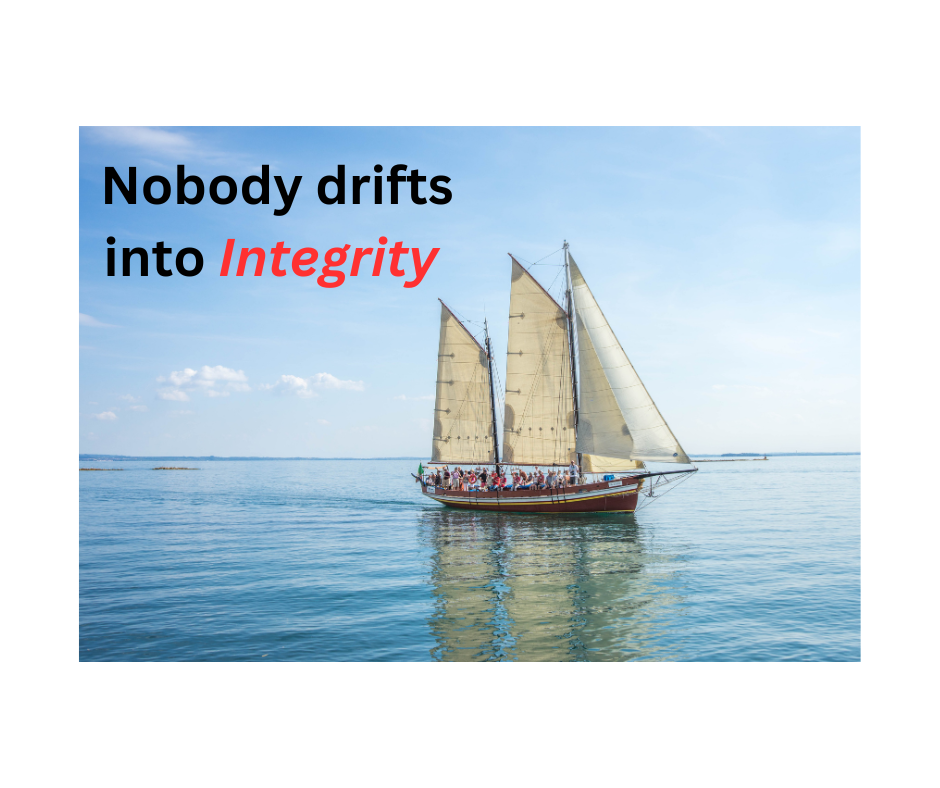
Few people set their sights on being a hypocrite. Most of us believe that Integrity is important and want to see ourselves and have others see us as people of Integrity. So how do we become something less than that? We drift into it. I did. Maybe you can relate to my drift away from Integrity and into hypocrisy. I was blessed to live in a home with two parents who were there all the time. They not only preached Integrity but also set the example in Integrity as well. Then I went to West Point where we had an Honor Code, and I was again educated about and surrounded by leaders who demonstrated Integrity. But later in life, I still drifted away from what I knew to be the good, right and proper things to do. Integrity: Doing what is good, right and proper, even at personal cost. I use the word drift, because it was not one major decision that turned me into a hypocrite. It was a series of small choices that over time, took me further and further away from the person and the leader I had always wanted to be. Imagine a ship crossing the Atlantic from Spain to New York. If that ship gets one degree off course, that is not a big difference in the short term. But by the time that ship reaches the other side of the Atlantic, they could find themselves in South America! That was me. Each little deviation away from Integrity, over time, took me further and further from who I wanted to become. I wasn’t paying attention to those choices. With each choice, I rationalized away my decision with ideas like: It’s the way business is done. I don’t want to hurt my relationships. It’s such a small thing. Fortunately, I recognized I was off course. But I had to make some major changes in my life and my attitudes in order to get back on track and restore my image of myself and the image others had of me. The key for all of us to avoid that drift – some call it Moral Drift – is intentionality. Instead of drifting, we must paddle in order to stay on course. We must pay attention. We must pay attention to our Integrity in the small choices and the big choices. Because when it comes to our Integrity, they are all big choices. With each choice we make, we are either getting closer to being a person of Integrity or further from it. We are most susceptible to rationalizing away our choices if we are not consistently intentional about who we want to be. Those rationalizations are even more powerful in stressful situations. We can all come up with plenty of reasons to make the easier yet wrong decision in the short run. But if we are in the habit of choosing Integrity and not allowing ourselves to drift – even one degree – away from doing what is good, right, and proper, we will be less likely to drift when the decisions get harder. “Nobody drifts towards excellence in anything. You have to be intentional.” – Dave Keller, Professor Texas A&M University, USAFA graduate Questions: Are you drifting away from Integrity or paddling towards it? Where do you need to get more intentional about your Integrity? Here is a quick assessment that will take you 5 minutes to figure it out. Nobody will ever see your results but you. Warning: If you are not going to be honest with yourself this is a worthless assessment. To take the assessment use the QR code above or go to www.MYCHARACTERTEST.com
How Leaders Build and Destroy Hope
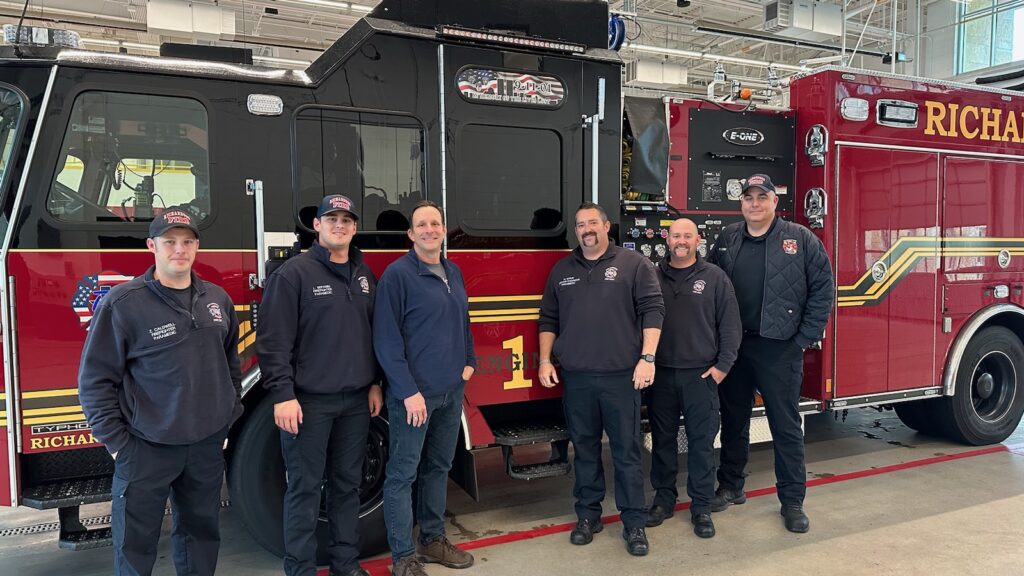
Whichever choice we make in tough circumstances, that choice will be contagious. They will lead our teams towards despair or towards hope. In today’s world, hope is needed more than ever. I get to work with organizations facing some hard realities. Law enforcement and first responders are faced with a lot of negative public perception in recent years. That perception has created critical manpower shortages as a result of early retirements and recruiting issues. I speak to thousands of these public servants every year and one thing is evident – hope is waning for these men and women. In difficult times, leaders will either build hope or destroy it. History is full of examples of leaders who intentionally created hope. Winston Churchill led by building hope in spite of the circumstances his country faced during the Nazi’s bombing of civilian targets in England. He did not ignore the realities of the situation, he acknowledged them, and still inspired the citizens to see the possibilities. While few of us will face a leadership challenge like Churchill faced, we all have opportunities to build hope. That will require us to exercise both Courage and Positivity. Courage: Acting despite perceived or actual risk. Positivity: Displaying a positive and/or “can do” attitude in all circumstances. Leaders of Character create hope by exercising Courage while other people focus on fear and spread despair and helplessness. They don’t allow the circumstances to prevent them from seeing the opportunities in the midst of those circumstances. Perceived risks are what hold many people back. Our brains exaggerate the possible into the probable. Is it possible that this thing could go wrong? Sure! But is it probable? No. But the fear of the perceived risks confuse the possible with the probable. Our minds take over and we slide into a paralysis that prevents us from stepping forward, from speaking up, from leading our peers, or even leading our families. It is not wrong to think about what “could happen” and how things could go wrong. That is how leaders prepare themselves and their teams. It is a leader’s Duty – moral obligation – to look to their right, their left, and to their front and imagine what might go wrong so that they can overcome those possibilities. But, they don’t let the possible prevent progress. Instead, by thinking through what is possible, they can move forward. When the leader and those they lead feel prepared, Courage grows, because they are not facing something that is unknown. That is why SWOT analysis has been such a valuable tool for leaders for planning. If a fear is vague and not defined, that is the type of fear that will hold teams back. But when you voice your fear, specify what those perceptions may be, they lose their power because you are more prepared for them or we realize how silly some of them truly are. The Bottom Line: What should leaders do to build hope instead of destroying it? Name the fear we feel and discuss both the negative and positive possibilities. Communicate the possibilities frequently and cast a vision of what a positive future looks like. Acknowledge the feelings of the doomsayers, but focus on what is within your immediate control. Celebrate the small victories in the midst of the uncontrollable circumstances. Never stop communicating with Courage and Positivity. It comes down to the choices a leader makes. Do we choose fear and negativity? Or do we choose Courage and Positivity? Whichever choice we make in our circumstances, those choices will be contagious. They will lead our teams towards despair or towards hope. Leaders determine whether hope is built or destroyed for most teams. It is the Leaders of Character who deal in hope. Questions: How have you seen someone build hope in a tough situation? What can you learn from that example? Here is a quick assessment that will take you 5 minutes to figure it out. Nobody will ever see your results but you. Warning: If you are not going to be honest with yourself this is a worthless assessment. To take the assessment use the QR code above or go to www.MYCHARACTERTEST.com
Courage is the Key to Character

Without Courage, any talk of character is just theoretical. You need Courage to put those words into action. Name one good thing you have ever accomplished that did not require some moments of Courage. If we look at that single moment, it makes sense that Courage could be the key factor in us becoming what we are capable of becoming. Somewhere deep inside of us, we all know the person we are called to be, who we could be, or who the people we care about need us to be. The question is, do we have the Courage to follow that path even when that path gets hard? Courage takes us from theory to practice. In theory, we all know what we “should” do and what choices we “should” make. The problem occurs when we realize the Courage we must exercise in order to take those thoughts and put them into action. You need Courage to: ● Be someone people can count on. ● Put others before yourself. ● Do the right thing when the right thing is difficult to do. ● Be someone people trust. ● Not take yourself too seriously. ● Serve others. ● Persevere in the face of adversity. ● Engage in difficult conversations. ● Hear feedback that will make you better. ● Maintain hope while working for an inconsiderate boss or organization. ● Keep trying when you feel like quitting. ● Try something new even when you are unsure of your abilities. ● Step forward while others stay put. ● Lead change while others manage the status quo. ● Act alone and do what others are not doing. ● Encourage and give hope to others while some doubt and despair. Courage can be developed. Courage is possibly the most important of all the Habits of Character for us to develop. You need Courage to exercise Humility, Integrity, Selflessness, Duty and Positivity. To exercise these other habits of character, you need the Courage to take action, despite perceived or actual risks. If we want to accomplish anything of value in our future, we must practice exercising Courage whenever we feel anxious, uncomfortable, or fearful. Each time we choose to act despite those feelings, we are a step closer to becoming that person we are called to be. Without Courage, any talk of character is just theoretical. You need Courage to put those words into action. The good news for everyone is that we get good at the things we practice the most frequently. And we are faced with opportunities, everyday, to take action in the face of discomfort, anxiety, and fear. The more we turn and face those moments and take action in spite of how we are feeling, our Courage will get stronger. Like a muscle, the more we exercise Courage in the day to day challenges the more prepared we become for the bigger challenges we are going to face in the future. Courage is the key to you achieving your best future and your best you. Dig Deep Questions: ● What was your most memorable moment of exercising Courage? ● How could you apply that to what you might be facing now? Here is a quick assessment that will take you 5 minutes to figure it out. Nobody will ever see your results but you. Warning: If you are not going to be honest with yourself this is a worthless assessment. To take the assessment use the QR code above or go to www.MYCHARACTERTEST.com
West Point’s Class of 1988 – A Rare Level of Leadership

“The Worst Class Ever!” – Former Commandant of Cadets I just spent an entire weekend with some of America’s greatest leaders. They are 4 star generals leading at the highest level in our military – Chief of Staff of the Army. They are leaders in the public sector – Governor of Louisiana. They are law enforcement leaders – Police Chiefs and SWAT commanders. I was surrounded by people I respect and that I love. They are the best America has to offer and they continue to serve wherever they are in their careers. Most of us are 57-58 years old. Most of us are on our second, third or fourth iteration of our careers. Most of us are thinking about the next step – retirement. But what I did not hear a single person say was they were quitting. Every person had plans. Every person had a plan to impact the world and make it better. West Point’s motto is Duty, Honor, Country. The men and women of West Point’s Class of 1988 still believe and still live by those three hallowed words. What is truly amazing is how many of the spouses of the class of 1988 also live by those words. Those words are a guide, a flag that races in front of us that draws our attention and makes us want to be better individuals, better partners, better teammates, and better leaders. At one point in our cadet career the Commandant of Cadets famously called the Class of 1988 “The Worst Class Ever!” after an infamous party we held as seniors. But history has shown the Class of 1988 is unmatched in recent decades when it comes to military leadership. Our class had at least 29 soldiers reach the rank of general officer. Most of the classes in the 80’s and early 90’s averaged about 10. I was surrounded by giants when it came to military leaders. But I was also surrounded by servants. Men and women who I would follow anywhere. Not because of the rank they held, but because of who they are – Leaders of Character. Now as the class winds down its years of military service to our country, I want to publicly thank all of my brothers and sisters who made a career of putting themselves in harm’s way for each of us who call the United States our home. I also want to thank all the rest of the classmates and the spouses I spent time with at our reunion. Yes, I heard the National Anthem, the Army Fight Song and other things meant to inspire me. But nothing inspired me more than my time with the greatest group of leaders I have ever and will ever be around. I want to grow up to be like so many of you. You live by our motto Duty, Honor, Country. You strive to “Choose the harder right instead of the easier wrong.” You serve without looking for recognition. You lead without looking for glory. You are the type of leaders that inspire me and have inspired and continue to inspire a whole new generation of leaders in our country. I am honored to call you all (or Y’all as we say in Texas) my friends. No Task Too Great! 88! Beat Navy! Question: Who inspires you to be a better leader? Who are you inspiring to become better leaders? Here is a quick assessment that will take you 5 minutes to figure it out. Nobody will ever see your results but you. Warning: If you are not going to be honest with yourself this is a worthless assessment. To take the assessment use the QR code above or go to www.MYCHARACTERTEST.com
Leaders Do The Messy Things

Show me a leader without a little dirt under their fingernails, and I’ll show you a leader who is falling short. Recently, my 90 year old father, The General, and I jumped out of an airplane together with the Army’s Parachute Team, the Golden Knights. We visited Fort Liberty in Fayetteville, North Carolina and both of us were reminded of what Army leadership is really all about. Most people don’t understand military leadership because less than 1% of our current population has served. What most people think they know about military leadership comes from Hollywood. When I travel around the country, doing keynotes or facilitating workshops people share what they think military leadership is. They describe a top down autocracy. They believe the lower ranks are powerless. They think that things get done in peacetime and battles are won in combat because the highest ranked officers make the decisions and everyone else just follows mindlessly. Like I said, that is Hollywood not real life. As we interacted with everyone from the 20 year old Privates to the Commanding General of Forces Command, General Drew Poppas, both my father and I were incredibly impressed by everyone’s willingness to do “the dirty work.” Nobody was above picking up a piece of trash blown onto the parade field. We witnessed a full Colonel clearing the table in the mess hall for people of lower rank. I watched a high ranked non-commissioned officer (NCO) run down to a truck to gather more ammunition for another lower ranked NCO so that NCO could continue teaching his class without interruption. Show me a leader without a little dirt under their fingernails, and I’ll show you a leader who is falling short. We define Duty as taking action based on our assigned tasks and moral obligation. Many people believe that if you have the rank, you no longer have to get your hands dirty. The dirty work is now left for someone else to do. That may be true – if you are a leader who leads based solely on the authority of your rank. But that is not how great leaders – Leaders of Character actually lead. They lead by inspiring others because they show they are still willing to get dirty and do the hard work. Nothing that needs to be done is below them. Their rank may mean some tasks have been assigned to others. But they see those tasks as their moral obligation no matter who was assigned to do it. They take action even when that means getting their hands dirty. They dig foxholes. They wash vehicles.They will take radio watch. In the civilian world getting dirty may mean covering a shift for an employee. It could mean stepping in to correct and coach someone who’s falling short. It could mean cleaning up after the meeting is over instead of expecting others to do it. There are a lot of ways leaders everywhere can follow a true military model of leadership – leaders lead by example and do messy things. If somebody knows people in Hollywood, would you please let them know they keep getting it wrong? Questions: What is your reaction when you see a leader willing to do messy things? What messy things could you step in and do for others? Here is a quick assessment that will take you 5 minutes to figure it out. Nobody will ever see your results but you. Warning: If you are not going to be honest with yourself this is a worthless assessment. To take the assessment use the QR code above or go to www.MYCHARACTERTEST.com
Sometimes Winning is a Poor Measure of Success

There are a lot of lonely “winners” out there. Narcissistic people can win. Even stupid people can win sometimes! Sometimes winning is just about getting lucky. Often, there is no rhyme or reason to who wins. If success is measured by winning, that is a poor measure of success. When our measure of success is winning, we will often choose the path of least resistance in order to earn a promotion, achieve a business metric, or hit a personal financial goal. Those are not bad goals in and of themselves. However, when those goals cause us to ignore who we are becoming as we strive to attain them, winning turns us into someone less than who we are called to be. There are a lot of lonely “winners” out there. We may see their successes in the headlines or on company websites while they are winning. They attained the success they wanted, but when it is over, who is there celebrating with them? Sometimes the desire to win in the short term causes us to: Make it all about us and drive others away. Be too insecure to let ourselves or others fail and therefore learn. Cut corners or fudge information in order to avoid looking bad. Ignore the needs of others and only do what makes our lives easier. Avoid projects or people who can’t help us reach our own goals. Belittle someone else’s weaknesses instead of encouraging their growth. This is why we like to ask people a simple question: “Would you follow you?” Answering that question is rarely easy, because we must stop and evaluate who we are. The people who work towards being their best selves and maintain lasting relationships are the true winners – that is real success in life. If winning is all we care about, we may look back and see the awards and promotions we strove to achieve, but who will be there with us to celebrate? At the end of our careers or at the end of our lives, what will people remember? Someone who exercised Courage, Humility, Integrity, Selflessness, Duty and Positivity? Or someone who decided to ignore who they were being as they strived to win. But, many people can’t handle the discomfort that comes with looking in the mirror and examining themselves. Pride and fear causes them to stagnate. It prevents them from seeing the need to be different and truly growing into the person they are all called to be. Some may look in the mirror and see that things need to change, but fear prevents them from taking action because changing things requires breaking old habits by making new choices. Those new choices mean paddling against the current of the way we have always done things. You can win and be a person you would want to follow. In his book, Return on Character, Fred Kiel from Harvard found that the high character leaders had five times the financial success of their counterparts of lower character. High character sports figures like Peyton Manning or Drew Brees are now retired and are still surrounded by people who love them and honor them for who they were while they were winning and who they still are. Meanwhile, there are some of their counterparts, who put winning first and have not maintained that same level of loyalty from others. Don’t fall into the trap thinking that winning is the only measure of success that matters. In fact, real success, at least the success that matters is being our best selves – Leaders of Character. Questions: What will you consider real success at the end of your life? Will success be defined by your relationships and the people around you or something else? Here is a quick assessment that will take you 5 minutes to figure it out. Nobody will ever see your results but you. Warning: If you are not going to be honest with yourself this is a worthless assessment. To take the assessment use the QR code above or go to www.MYCHARACTERTEST.com
What People Don’t Understand About Humility
Exercising Humility doesn’t mean you have less conviction. It means treating people with different convictions with respect and not as adversaries. In our society today, leaders in politics, business, and sports misinterpret Humility. Somehow, people think that leading means never giving in, and never being wrong. When in fact, those behaviors should be a warning to all. These boastful, defensive, and inflexible leaders are usually the most insecure. They don’t understand that Humility is not a sign of weakness. It is a quiet declaration of strength. Here is something we should all consider: The arrogant won’t claim Humility because they think that exercising Humility will make them vulnerable, and their fear of being vulnerable makes them insecure. While the humble understand that once they start patting themselves on the back for their Humility – they have lost it. The arrogant often think that Humility means you lack conviction. They belittle the thoughts of others and say they are just passionate. The arrogant will attack others personally because someone has a different point of view. Their goal is to shut the other person down and avoid a true discussion. Therefore they talk, they yell, and they bully calling that conviction. The loudest and most arrogant people are the most insecure people. Their insecurity prevents them from seeing all sides of a situation. The arrogance that they call conviction denies them the opportunity to learn from others, modify an incomplete plan, and grow beyond their current abilities. Ironically, the vulnerability that comes from Humility is the thing that will bring them strength, not diminish it. Exercising Humility doesn’t mean you have less conviction. It means treating people with different convictions with respect and not as adversaries. Humility means we must care for others despite their differing operational opinions and moral positions. We exercise Humility when we maintain our convictions yet never allow them to make us feel superior to people with opposing ideas. When the humble give others respect and keep themselves open to the possibility they could learn something from someone who has different ideas, they are demonstrating the self-confidence that the arrogant and insecure people are so desperate to convince themselves and others that they have. What many leaders don’t understand is that their shallow arrogance actually makes others less likely to listen to the ideas they claim to be so convicted about. Humility opens the door for mutual understanding and progress. And that Humility is more likely to make people more likely to listen to what they have to say! Question: ● When have you seen Humility get a point across better than loud and boastful conviction? Here is a quick assessment that will take you 5 minutes to figure it out. Nobody will ever see your results but you. Warning: If you are not going to be honest with yourself this is a worthless assessment. To take the assessment use the QR code above or go to www.MYCHARACTERTEST.com
Character is Not Bestowed – It is Earned

You don’t need an MBA, JD, or PHD to become a Leader of Character. There is a crisis in leadership in our society today. That probably doesn’t surprise you. You have seen it in the news and in your workplace. It is not a crisis born from a lack of education. It is a crisis of character. Most thoughtful people will say they want to follow a Leader of Character. But you rarely hear people talk about how someone becomes one! They say leaders need to have character, but then the conversation ends. It’s as if people think character is something you are born with or is bestowed on you by some governing body….If it were only that easy! Character is earned. I often tell people “You were born with your personality, but you develop your character.” Earning character is similar to building up your level of fitness. There are three factors that determine your physical fitness and your strength of character. Action: You can’t just talk or read about working out. You have to do the workouts! Likewise, you can’t just read about character. You have to DO what you want to BE. Consistency: You will never get physically fit if you hit the gym once in a while. You need to exercise consistently and intentionally. Your character needs that same consistency. Sweat: Muscular fitness will not happen without discomfort. Unless you are sweating and a little sore, your workout did nothing. Your character will never get stronger without discomfort either. The pursuit of comfort creates weak muscles and weak character. No matter where your character is today, your opportunity to get your character muscles in shape is in front of you everyday! The good news is you can earn those muscles without going to the gym. Your workplace will test your character. Your family will test your character. Even people on the highways will test your character. Everyday is another opportunity to earn the character that our society needs so badly. You don’t need an MBA, JD, or PHD to become a Leader of Character. You earn character by consistently making the tough choices that exercising character requires – even when it causes you to be uncomfortable. In fact, that discomfort is probably the signal you are growing. It will be the evidence that you are on your way to earning something that we all need to have in order to change our society. If you are wondering where your character is today, use this link to take a 5 minute Character Assessment: www.MYCHARACTERTEST.com or use the QR code at the bottom of this blog. See how you score on Courage, Humility, Integrity, Selflessness, Duty, and Positivity. Questions: What part of your character needs some Action, Consistency, and Sweat? How can you earn those muscles this week at work or at home? Here is a quick assessment that will take you 5 minutes to figure it out. Nobody will ever see your results but you. Warning: If you are not going to be honest with yourself this is a worthless assessment. To take the assessment use the QR code above or go to www.MYCHARACTERTEST.com
The Person Who Will Kill Your Meeting

Who does most of the talking in your meetings? Meetings. Some of you just had a full body shiver. Meetings are often listed as the biggest time wasters in the workplace. In fact, my dad, The General, used to say, “Meetings are where people sit around talking about the things they should be out there doing!” I hated meetings during my twenty years in the corporate world. Now I get to observe meetings in workplaces across various industries both in the business world and with public servants. I have come to a firm realization that the person most likely to kill a meeting is – The Leader. It’s amazing to watch as an observer and not a participant. In those meetings, I watch and listen to what a leader says and does. But at the same time, I watch the attendees’ words and actions as well. The truth is the leader is usually their own worst enemy in these meetings. They are the reason meetings are repetitive, unproductive, and cause full body shivers. There are some great articles and books on how to run an effective meeting. I do recommend Death By Meeting by Patrick Lencioni. I am not going to rehash his advice or that of others. I want to focus on how a leader’s character shows up in these meetings by looking at three of the six Habits of Character. After each definition, there are some questions we should ask ourselves as we lead meetings. Humility: Believing and acting like “it’s not about me.” Who does most of the talking in our meetings? How do I rect when someone disagrees with me? When was the last time someone disagreed with me in a meeting? Courage: Acting despite perceived or actual risk. When was the last time I changed my plans based on someone else’s feedback? Selflessness: Putting the needs of others before my own needs, desires, and convenience. Who is the meeting for and how did it make the attendees better? If you don’t like the answers to these questions, here are some practical suggestions so you are not the leader who kills his/her own meetings: Be the last to speak, not the first. Lead by asking questions not by making statements. Ask for feedback and don’t argue with the feedback when you get it. Encourage honest feedback because that is the only way you will know the truth. Change your plans when someone presents you with new information. Be sure the meeting has clear objectives and those objectives make people better. Don’t be the person who kills their own meetings! We must enter each meeting and exercise Humility, Courage and Selflessness. Without those habits in place, it doesn’t matter how many books or articles we read, our meetings will at best be lifeless and repetitive. Lively meetings or dead meetings – it all goes back to the leader. Question: If the leader speaks too much, how does that kill a meeting? Here is a quick assessment that will take you 5 minutes to figure it out. Nobody will ever see your results but you. Warning: If you are not going to be honest with yourself this is a worthless assessment. To take the assessment use the QR code above or go to www.MYCHARACTERTEST.com