
How to Hold Employees Accountable for Mistakes You Once Made
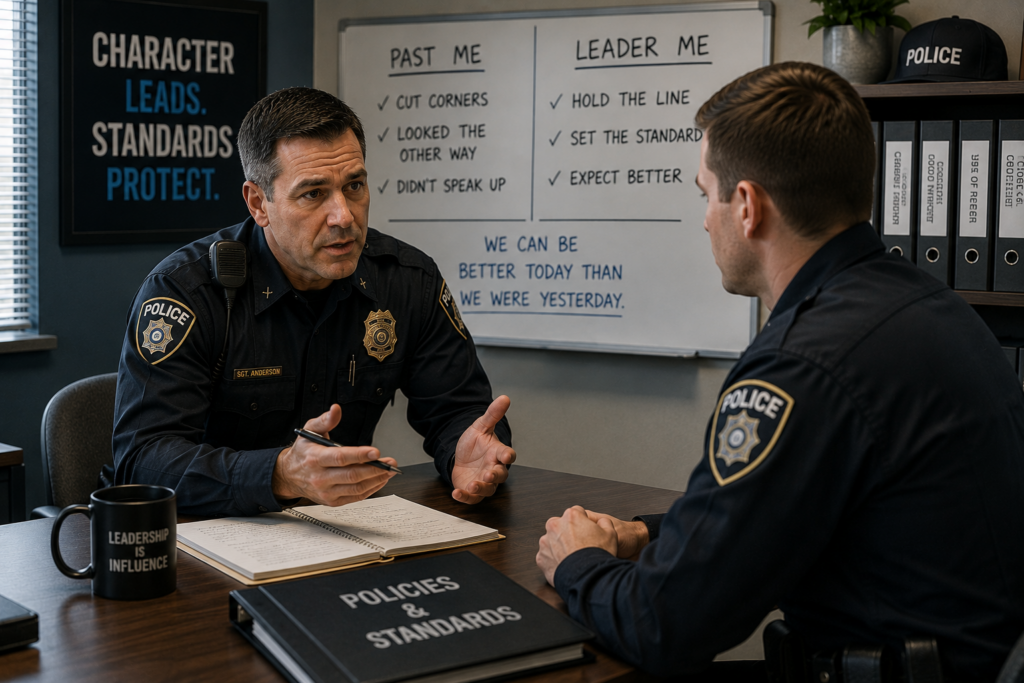
You used to do it. Now you wish you hadn’t. But you did. And everyone else knows you did too. Now one of your subordinates is doing the same thing. This is one of the most common scenarios we see when we do leadership development for public safety officials. As a supervisor in public safety or in business, this is a character test for you. What will you do? Will you allow the behavior to continue, or will you step up and do what needs to be done? Is it Hypocritical or Wise to Correct Something You Used to Do? Your supervisors should have told you ten years ago. Whenever you cut a corner on paperwork, lie to your supervisors, or cover for a teammate that really screwed up, you make your job a lot harder when you earn a promotion. How? Because as soon as you get that promotion, your past choices will test your future choices as a supervisor. Historically, a lot of supervisors avoid correcting poor behaviors because they used to do it too. Letting poor behavior continue is a failure of character for a leader. Just because we used to do it does not mean we should continue to allow it to happen! Some people call that being hypocritical. Actually, it is called wisdom. Wise people learn from past mistakes. They correct their own behaviors and then prevent those behaviors in others. This type of wisdom requires us to exercise Courage, Humility, Integrity, and Duty all at once. What Does Wisdom Sound Like? I know. I did that too. Sometimes I even did it with you. But, we both knew we shouldn’t have done it. I was wrong then. We were wrong then. And we would both be wrong now to continue doing it like we used to do it. We are trying to be better than we were in 2016. The growth of this team is now my Duty, but I need you to help me with making this change happen. Courage: Acting despite perceived or actual risk. People may call you out and call you a hypocrite in these moments. Exercising the Courage to speak up no matter what others say is where a lot of people fail. Humility: Believing and acting like “it’s not about me.” As a leader, people will pay attention if you are willing to own your old faults or poor behaviors. Don’t ignore them. Face them. Own them. And then ask everyone to commit to doing better in the future. Integrity: Doing what is good, right, and proper even at personal cost. Your Integrity is at stake when you claim to have standards and then are tempted to ignore a violation of those standards. Standards test your Integrity. Just because you used to break those standards yourself back in the day does not now make those standards optional. It just makes your job harder. But let’s face it. You did it to yourself. So will you continue down the path of least resistance and let things continue to slide? Or will you decide that you will not let your failure in Integrity in the past make you fail again in the present? Duty: Taking action based on your assigned tasks and moral obligations. Yes. One of your assigned tasks is to uphold policies and standards. But since your promotion, you now have a moral obligation to make the team better. By letting the old ways continue, are you fulfilling your moral obligation to make your team better? Leaders lead growth. Managers manage the status quo. Which are you? A leader or a manager? The Impact When You Lead with Character What impact do you want to have on your team while you are in this position? Will you make things better than they have been? Or are you just a placeholder until the next supervisor comes in? Don’t let your past missteps prevent you from doing what you are called to do now. You are better than you used to be. Show yourself and show them by being strong enough to maintain standards even though you didn’t do that in your past. Question: How will you help future leaders to avoid this same pitfall? What is the standard you know you’ve allowed to slip?
When Should You Coach and When Should You Discipline?

Are you dealing with a wise person or a fool? Screw-ups happen. Whether you are leading in law enforcement, the fire service, or in business, somebody on your team at some point is going to screw up. The problem is when that person makes the same bad choice twice…three times. What is the appropriate response from a leader? When someone on your team makes a mistake, coaching is usually the right first response. But when the same behavior continues after clear feedback, leaders must decide whether they are dealing with a wise person who will grow, a foolish person who needs consequences, or a bad egg that requires you to get outside help. The leader’s job is to match the response to the person and the pattern. How Should Leaders Respond to Repeated Performance Problems? Some leaders put their heads in the sand and hope it goes away – Wrong! Some leaders coach and coach and coach, even when the behaviors don’t change – Wrong! Some leaders bring out the hammer and threaten the person with consequences – Wrong! Doing nothing is always wrong. Coaching or establishing consequences can be wrong as well. What should your response be when somebody on your team needs to change their behaviors? It depends on the individual you are coaching. Who are they? Are they a wise person, a fool, or a bad egg? Taking the time to identify who you are dealing with is important. Let me paraphrase Henry Cloud, from his book Necessary Endings. This framework is adapted from Dr. Henry Cloud’s book Necessary Endings, where he explains the importance of discerning who can change, who will not change without consequences, and who may require stronger intervention, including separation. How Do You Know Whether to Coach or Discipline? Start by asking three questions: Did they receive clear expectations? Have they received honest feedback and a chance to change? How did they respond to the feedback? If they own the issue and try to improve, coach them. If they excuse, blame, or repeat the behavior, establish consequences. If they intend to harm the team, deceive others, or undermine the mission, get help from HR or the leaders above you. When to Coach a Wise Employee The Wise: They listen to feedback. In fact, the wise person appreciates the feedback; they own it, internalize it, and make an effort to change. The talking and the coaching helps because they have the Humility to hear it and the Courage to try something new as a result. What do you do with The Wise: You talk to them. You coach them. You explain “The Why” behind their need to change. When you see positive signs of change, you encourage them (Positivity). When they need another course correction, you provide it (Duty). These are the people you have hope for. You have seen them respond to coaching before and therefore expecting change is reasonable. When to Discipline a Foolish Employee The Fool: They do the opposite. Their first reaction is to reject the feedback and try to explain it away. They try to adjust the truth so they don’t have to adjust to it. Excuses run rampant. They externalize it and try to make you understand that you are mistaken or maybe you’re the problem in the scenario. For them, pride and/or fear drive their choices. What do you do with The Fool: You stop talking. You’ve probably felt like Bill Murray in Groundhog Day. You’ve had the conversation again and again, but the pattern of behavior is the same. In this case, if you aren’t asking them to do something illegal, immoral, or unethical, then this person is being a fool. With these people, you must set up some consequences for their behavior. These people will only get it if it costs them something. Give them clear guidelines and expectations for their behavior, establish the consequences, inspect what you expect, and hold them accountable for their actions if changes aren’t made (Duty). When to Get Help With a Bad Egg The Bad Egg: These people mean to do harm. They are well beyond the fool. Actually, Henry Cloud calls these people – The Evil. Unfortunately, there are some people in this world who decide to do harm to you or the team. The Fool may do harm to you or the team, but they do it unintentionally. The Bad Egg’s behaviors may be similar to The Fool. But their motives are different. Fortunately, there are fewer Bad Eggs than there are Fools. What do you do with The Bad Egg: You get help. Bring in HR professionals early. Inform the leaders above you. And listen to their advice (Humility). The Bad Eggs rarely change. Their path is set, and now you must do your best to protect the team, the organization, and ourselves from the impact of their behaviors (Selflessness). Do not do this alone. ASK FOR HELP. The Habits of Character Leaders Need When Coaching or Disciplining As a supervisor, the majority of people will be part of the Wise category. Hallelujah and Amen! Life is good when you have a team full of Wise people. You’re able to lead and you will probably experience a lot of joy while leading that team. But eventually, a Fool or a Bad Egg will appear. The Fool and the Bad Egg are the ones that give us headaches. They are the ones that test our character even as their own character fails them. Specifically, choosing discipline when it’s appropriate will test the following Habits of Character in you as the leader. Courage: Acting despite perceived or actual risk. Humility: Believing and acting like “it’s not about me.” Selflessness: Putting the needs of others before my own needs, desires or convenience. Duty: Taking actions based on our assigned tasks and our moral obligations. Who is the Real Leader of the Team? When you have The Fool or The Bad Egg, your character will be tested. As a
How to Lead Well When You Have an Unpopular Leader Above You
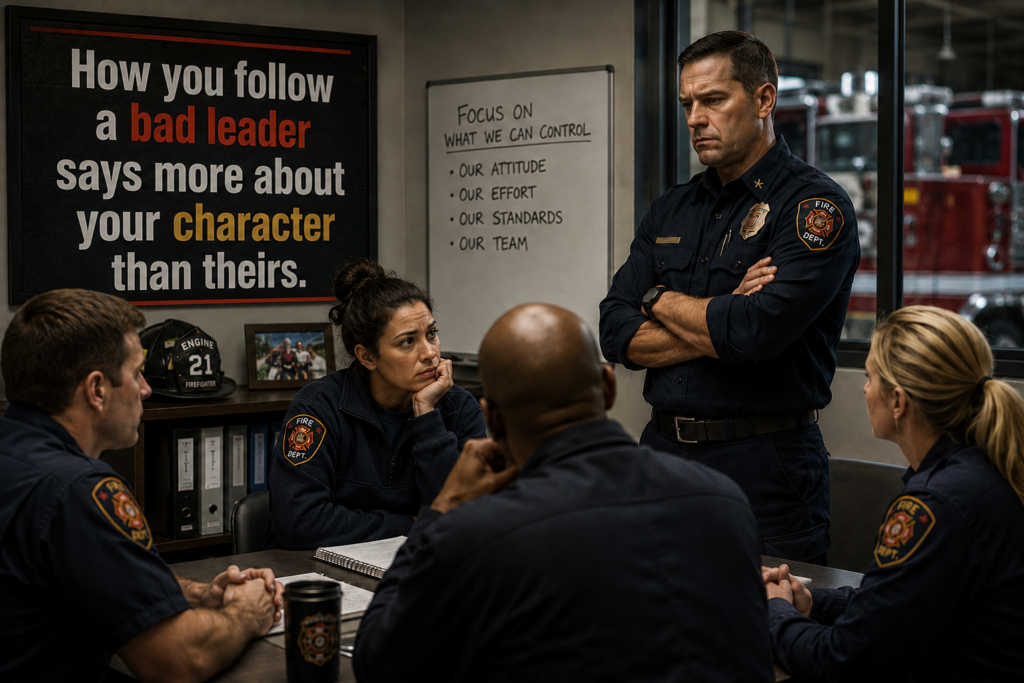
How you follow a bad leader says more about your character than theirs. Leading well under an unpopular leader requires you to focus on what you can control: your Courage, Humility, Integrity, Selflessness, Duty, and Positivity. You may not be able to change the leader above you, but you can choose whether your response strengthens or weakens your own character. How you follow a bad leader often says more about you than it says about them. What People Say About Unpopular Leaders “He got promoted because he scored well on the test. But nobody trusts him. I don’t!” “He got promoted because he is tight with the Chief.” “She has become a micromanager and nobody likes working for her.” “He’s an a____. And he only cares about looking good to the command staff.” These statements are not uncommon to hear in law enforcement or fire services leadership training. Heck! I heard similar things in the business world. Sometimes we will be led by an unpopular leader. You may question their motives, competence, or character. But in the end, how do you handle that situation? This is a character test that everyone faces at some point. How Unpopular Leaders Challenge Our Character Unfortunately, some people, while focusing on the shortcomings of the leader, make choices that expose their own character issues. Some people will use that unpopular leader as an excuse to suck up or stay silent. Some will cut corners or use the leader as an excuse. Some will complain and give up. There is a difference between a leader who is unpopular because they make difficult decisions and a leader of questionable character and/or is asking people to violate policy, ethics, safety, or the law. Character requires patience with the first and action with the second. How you follow a bad leader says more about who you are, not who they are. You always have choices that you can control no matter what your circumstances may be or who you are called to follow. Those choices are often a reflection of the Six Habits of Character: Courage, Humility, Integrity, Selflessness, Duty, and Positivity. Tips for Exercising Character While Leading Under an Unpopular Leader Courage: Acting despite perceived or actual risk. Are you willing to step away from self-preservation and try to make change happen? Will you try more than once? Sure, you can protect yourself and stay silent. But, speaking up on behalf of the team or for yourself is an exercise of Courage when you have an unpopular boss. If your motives are pure, you are exercising Courage in these moments and developing the Courage to lead well in other circumstances. Humility: Believing and acting like “it’s not about me.” When the leader above you makes a decision or does something that negatively affects the team, you can choose to say nothing or be the person to step up and speak up. You have an opportunity to make things better. Some people decide to protect themselves. Instead, work to understand the “why” behind the decision. Say to your leader, “Help me understand the background behind the decision. If I understand it better, I may be able to help the team understand it.” Integrity: Doing what is good, right and proper, even at personal cost. If you are faced with a leader who belittles employees, lies to their leaders, or tells others to cut corners, this is not only an issue for their Integrity, but yours also. Somebody needs to say something and try to change the direction of the team. This should start with a private conversation with the leader. If they do not make changes, then it is time to take it to another level, even if that might make your life harder for a while. Integrity is not a part-time thing. In fact, integer, the root word for Integrity, means whole or pure. In other words, if we only exercise Integrity when it is easy, that is not Integrity. Selflessness: Putting the needs of others before my own needs, desires or convenience. Sometimes somebody has to step into the breach on behalf of the team and speak truth to that leader. Courage is a critical part of being selfless. You may make the leader angry. You may suffer some consequences if that leader is truly of low character. On the other hand, you may be the only person with the intestinal fortitude to tell that leader about their blind spots. I have found that some leaders have never had anyone truly be honest with them. When you exercise Selflessness in leadership, the results may surprise you. Duty: Taking actions based on our assigned tasks and our moral obligations. Our moral obligations do not change when we have an unpopular leader above us. Our moral obligations will always include being the best team member possible, doing what we ought to do, working to focus the team on what they can control versus the leader they can’t, and exercising Positivity in difficult circumstances. Positivity: Displaying a positive and/or “Can do” attitude in all circumstances. Even when you have an unpopular leader, you have a choice. You can choose to join the “Negative Nancy’s” and mud sling at the boss. Or you can choose something different. What if you were the person who refocused others? What if you were the one to bring a different perspective to the situation? What if you led by example and “Embraced the Suck!”? That is what Leaders of Character choose to do. They lift the team up in bad circumstances; they don’t help hold it down. Practical Steps for Leading Under an Unpopular Leader First, have a private, respectful conversation with that leader. Ask clarifying questions before assuming motives. Refuse to join gossip or character attacks. Focus the team on what they can control. Document serious integrity or safety concerns when appropriate. Escalate issues through the proper chain of command when the behavior harms people, ethics, or mission. Keep exercising your Duty
How Leaders Handle Employees Who Should Be Fired (When Bureaucracy Gets in the Way)
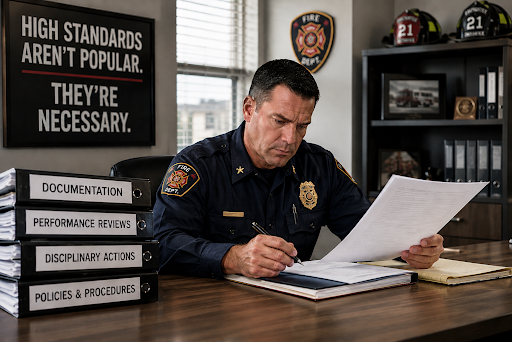
If a leader is failing to fire somebody who has consistently demonstrated a lack of character, that’s probably a sign of a character issue for the leader, as well! Leaders in fire service, law enforcement, and business often face the challenge of managing employees who consistently fail to meet organizational standards. While many supervisors understand the need for accountability, bureaucracy, documentation requirements, and lengthy disciplinary processes can make employee termination feel overwhelming. Knowing how to fire an employee appropriately is not just a management skill—it is a leadership character test. Why It’s So Hard to Fire an Employee “It is almost impossible to fire anyone around here.” This is a refrain I hear so often from people who work in public safety. As we’ve discussed throughout the Real Life Leadership series, supervisors regularly face situations that test their character, and this may be one of the toughest. They have an employee or even a subordinate leader who should no longer be employed, and the leader feels hamstrung by the process. They tell me about situations when they tried to fire somebody and either executive leadership, HR, or the legal team kicked it back. As a result, they were stuck with a bad egg and now that person had a grudge against the leader. “Sometimes it is just not worth it.” Unfortunately, this is not a system failure as some believe. It is a character failure for that leader. Do not fall into this trap. The process for ending somebody’s employment may be slow and full of hoops to jump through. But, the difficulty of a situation should not determine whether a leader does what needs to be done. In fact, if somebody claims to be a leader but only does the easy tasks required of leaders, that person is not a Leader of Character. Because Leaders of Character do hard things. The Character Test Behind Employee Termination Courage: Acting despite perceived or actual risk. You need to have the Courage to have hard conversations and enforce consequences when poor behavior doesn’t change. Humility: Believing and acting like “it’s not about me.” You need to exercise Humility and ask for help. Your leaders and HR professionals can help you navigate the requirements and keep you between the lines. Be proactive and let them know what is happening. Integrity: Doing what is good, right and proper, even at personal cost. Your Integrity is at stake if you allow someone to operate below the standards. This is similar to what happens in problem employee leadership situations, where leaders fail to address poor behavior before it escalates. Selflessness: Putting the needs of others before my own needs, desires or convenience. Just because the paperwork is inconvenient isn’t a good reason not to do it. You must put the needs of your team and the larger organization ahead of your own desires for an easier existence. Avoiding the paperwork is a selfish choice for a leader. Duty: Taking actions based on our assigned tasks and our moral obligations. Your Duty – moral obligation – is to document early, document consistently, and then initiate the disciplinary process when you see a pattern of poor behavior and a lack of response to your coaching. Positivity: Displaying a positive and/or “Can do” attitude in all circumstances. When that bad egg finally walks out the door for the last time, there will be a collective sigh of relief – even if some people have to do more work until a replacement is found. Why Leaders Must Follow Through Yes – the process may be long and arduous. Yes – you may not understand why each step is necessary. Yes – there is still a possibility that the powers above you may choose to keep that person around. But you will know you exercised the Courage, Humility, Integrity, Selflessness, Duty and Positivity that a Leader of Character needs to exercise when there is a bad egg on the team. The ironic thing is that the person is probably getting fired for a character failure involving the same Six Habits of Character the leader needs to exercise in order to do the firing! Leadership Lessons About Firing Employees Think about that, if a leader is failing to fire somebody who has consistently demonstrated a lack of character, that’s probably a sign of a character issue for the leader, as well! Ouch! Question: What is it like for everyone else when that bad egg finally leaves the building for the last time? Who was/is the bad egg on your team and what did you or are you doing about it?
VLOG – Toxic Performers- Exercise Your Duty
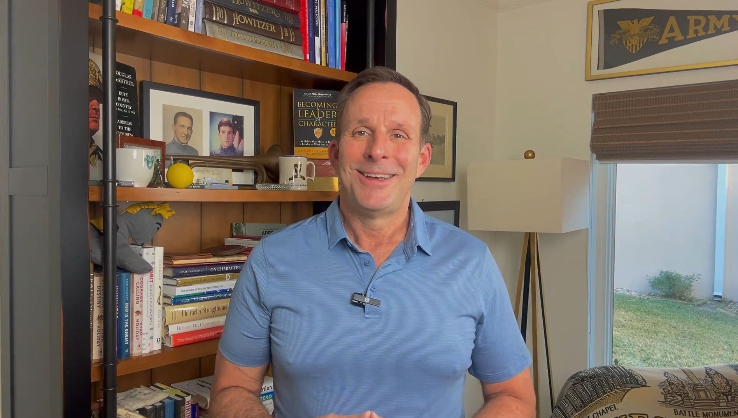
Why do we allow toxic performers to stay in their roles? Sometimes making the hard decisions aren’t easy. We as leaders have to exercise our duty; take action based on our assigned tasks and moral obligations. It’s fair to give people a chance to change and grow, but if they don’t it’s time to have them move on. You, your team and even the individual all deserve better.
A Memorial Day Reflection on Service, Sacrifice, and Friendship
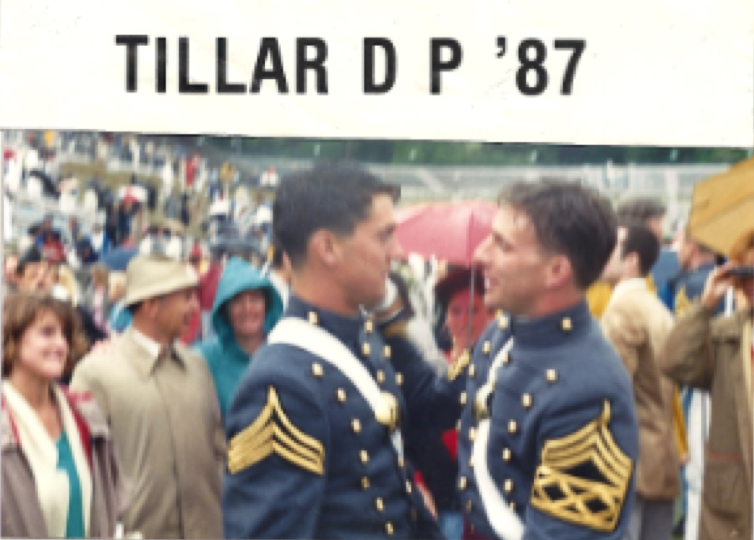
My best friend, Donnie Tillar, was the one who convinced me to go to West Point. Donnie was a year older than I was. Thanks to his persuasiveness, I joined my childhood friend at West Point as part of the Corps of Cadets. We both served in Operation Desert Storm. Every year, as Memorial Day approaches, I think about him. Because of his influence in my life, I want to share my Memorial Day tribute to Donnie. A Memorial Day Tribute Donnie’s Blackhawk helicopter was tragically shot down during the last hours of Operation Desert Storm. In February of 1991, Donnie passed away. Yet, it would not be until several weeks later that I received word, as we did not have the luxury email back then. My father, The General, was the one to let me know what had happened to Donnie. I kept a journal while I served in Operation Desert Storm. Below is an entry from my journal which I wrote on March 14th, 1991—the day I found out about Donnie. I was a young, brash and broken 25-year-old 1st Lieutenant in the Field Artillery when I wrote it. I shared this same journal entry at a memorial service I organized with some high school friends, back in May of 1991. I now share it every Memorial Day Weekend here. Memorial Day is a day reserved for our men and women who have died in service to our country. It is a day to thank those men and women and their families who have sacrificed so much so you and I have the freedoms we enjoy. In honor of Donnie and the other brave men and women of our country who died in the line of service, I want to share the following with you: Day 151 In Country 14 March 1991 Today, I cried. I screamed. I shook and a part of me died. I got a letter from Dad telling me Donnie Tillar had been killed when his Blackhawk was shot down over Iraq. The details are sketchy as to when and what mission he was doing. I’m just so shook up by the whole incident. Donnie and I go back to 7th grade. We were inseparable. He’s the closest I ever came to having a brother. Dad said he learned in Vietnam it was always the best ones who got hurt. Now, I know firsthand the true cost of war. In a way, I idolized Donnie. He could accomplish anything he wanted to. He was the best athlete I ever knew. He could play any sport. He was smart. He made the Dean’s List constantly at West Point without really seeming to try. He could dance. Man, could he dance. The ladies loved him. I loved him. I still do. When I heard the news, I couldn’t stop sobbing. I grabbed my Walkman and walked about 2 KMs. Then, for about an hour and a half, I just walked in circles. I yelled, I cried and I sang. I listened to the Rolling Stones Hot Rocks. Donnie loved The Stones. I sang at the top of my lungs, by myself in the middle of the Arabian Desert. I talked to Donnie as if he was there. After a while, my mind turned to our adventures together. I began to smile. Then, I found myself laughing and crying at the same time—if that is possible. I returned to my vehicle in a state of numbness. But, I began to tell everyone and anyone, Donnie and Dave stories. They just flowed out of me. There was the time when Donnie and I got his parent’s car stuck in the snow ON TOP OF THE SKI SLOPE. Then there was the time Donnie and I drove away on his motorcycle with a case of champagne after work at the Hotel Thayer. Donnie and me made trips to Stowe skiing and I thought of the hell we put his Dad through. And then, there was the story about how every time we’d go out together, Mrs. Tillar would roll her eyes when she found out he would be with me, while my mother did the same when she knew I’d be with him. Now the beat goes on. I will tell people about my best friend, Donnie Tillar, for the rest of my life. My first son will be named after a true hero and a true friend—Donaldson Preston Tillar III. I am going to have a party for him. In his honor, I want to gather his old friends and old loves together for a big blowout. He’d love to be there. But, he’ll be in a much better place. All we can do is raise our glasses and drink a couple for a man who touched all of us. A man with a penchant for fun. A man we will all miss. A man I will fondly remember as the brother I never had. Today, I have a son named: James Donaldson Anderson. He and his twin sister were born 6 years to the day (March 14, 1997) after I originally wrote this journal entry. In November 2012, Donnie’s younger sister Lani got married. I had the honor of officiating her wedding and being with her whole family. Donnie was there too. We all felt him. Remember our fallen heroes and their families. Not just on Memorial Day, but every day in your prayers.
Dealing with Unpopular Policies – Real Life Leadership #4
Whether you uphold unpopular policies is a test of your character. Here’s the truth about life in the middle of any organization. There will always be policies that people don’t like. You may not agree with the policies either. I get to work with supervisors in the fire services, law enforcement, and in businesses all the time. Every single leader in those organizations faces unpopular policies. Knowing how to handle unpopular policies as a leader – is not a question of your management skills. It is a challenge of your character. Some leaders will just tell the team, “It’s policy, so do it.” Others will say, “I don’t agree with this, but they made the decisions so….” And some say, nothing and ignore the chatter coming from their team or just ignore the policy and not follow through on it. This is the same pattern seen in problem employee leadership, where leaders avoid enforcing standards when it becomes uncomfortable. How to Handle Unpopular Policies as a Leader When you choose any of these routes, you fail a character test and you fail in how to handle unpopular policies as a leader. It could be one Habit of Character or multiple Habits of Character that are failing. Courage: Acting despite perceived or actual risk. You need to exercise the Courage to uphold all the policies, even the unpopular ones. Humility: Believing and acting like “it’s not about me.” You need Humility to recognize that you may not have the “Why” behind the policy, and therefore your judgement could be wrong. Integrity: Doing what is good, right and proper, even at personal cost. You need Integrity to realize you can’t pick and choose which policies to enforce and which ones to ignore. Selflessness: Putting the needs of others before my own needs, desires or convenience. Your role as a leader is not to get your way, but to put the team or organization’s needs before your own desires. Duty: Taking actions based on our assigned tasks and our moral obligations. If the policy is not asking you to do anything immoral, illegal, or unethical, then your moral obligation is to support that policy. Positivity: Displaying a positive and/or “Can do” attitude in all circumstances. Let your people vent and then turn the conversation to how to be the best at implementing the policy. A police department, fire department, or business will never get beyond mediocrity if each member is allowed to cherry pick the policies they follow. When a leader does this, or allows others to do it, the only thing that will be consistent is chaos. And that is the side effect of that leader’s character. If the “Why” behind the policy has not been communicated from your leaders above, then it is a supervisor’s moral obligation to ask for the Why and then share it with the team. Sometimes people will still not like the policy. But that does not absolve them of the Duty to follow that policy, or you of the Duty to uphold that policy. When you understand how to handle unpopular policies as a leader, you create consistency, trust, and clarity within their teams. It becomes clear to everyone what exercising Integrity in the organization looks like. And the leader is exercising the character people respect and want to follow. This was supervisor scenario four in our six part series. We present these scenarios as an illustration of how every leader’s character is tested in the day to day life of a supervisor. We want you to pass those tests! Question: Are you consistent with your approach to following policies? Do you have the Courage to change that if your answer was “no”? The next in the series is related to this one: When Bureaucracy Makes it Hard to Fire People.
VLOG – Organizational Character – An Organization’s Demonstrated Values
Organizational Character is an organization’s demonstrated values. Some leaders let culture happen. Leaders need to be as intentional with their culture as they are with their tactics. Coach your people with character when they are out of line with your values. Have regular conversations about these values and they will become ingrained in their minds and realize the importance.
Correcting Behaviors the Previous Leader Allowed – Real Life Leadership #3
Will you be a leader who understands that even high performers can be bad for the team? Inheriting an employee who has been allowed to behave poorly is a challenge most leaders face. It is unfortunate that the previous leader didn’t do their job. But now it is left up to you. Leading a problem employee becomes your defining moment. You have a choice: maintain the status quo or rock the boat. What you choose in these situations is a window into your character. It will also set the tone for the rest of your time in leadership with that particular team. At one point, I took over a team with a highly skilled individual who also had character issues. He was good at the tactics of the job. But he also cut corners, missed administrative deadlines, and created division within the team. The previous leader did nothing about these behaviors because his sales performance was consistently one of the best within the team. But, when I took over the team, I quickly realized this guy was a huge problem. If he did not change his behaviors, the team would never reach its potential. It turned out to be a test of my character. Just like it is a test of any leader’s character when they inherit a person the previous leader refused to correct. The character tests include: Courage: Acting despite perceived or actual risk. Are you willing to take the time to coach, document the behavior, and follow through on what needs to be done to change this person’s behavior? Initially, this person will probably push back and not make it easy for you. They will point to former leaders who said nothing and maybe even gave them high scores on previous performance evaluations. What will you do? Humility: Believing and acting like “it’s not about me.” This will be a process that will take time and energy upfront. It will probably include uncomfortable conversations. It could also mean the team loses a highly skilled contributor thus creating an initial drop in team performance – making you look bad. But, our comfort or how our performance looks to others is not the goal. This is not about what is easy or best for the leader. This is about what is best for the team. The team needs this behavior to change. We must put the needs of the team ahead of ourselves. Integrity: Doing what is good, right and proper, even at personal cost. The team is waiting to see what you will do about someone who is obviously not making good choices. Will you uphold the standards with the problem person like you do with others? Or will his measurable performance cause you to overlook his character issues. Will you be the leader who understands that even high performers can be bad for the team? WIll you act on the standards you claim are important? Duty: Taking actions based on our assigned tasks and our moral obligations. It is your moral obligation to correct the behaviors. If the person won’t make the correction, then your moral obligation continues to disciplinary action and even to the end of their employment. That means you must document the poor behaviors, the lack of change after coaching, and the continued negative impact upon the team. Do the paperwork. Start it as soon as you have witnessed the pattern of behavior and the lack of change on their part. For many supervisors, the challenges faced are not truly about the other person or the paperwork involved. The real challenge is inside the supervisor. Are you willing to address the issue? Once a leader shows the commitment to do the right thing in these situations, the stage is set for that leader to have the impact they should have. The leader who steps forward and addresses the issue with the high performing yet problematic employee, will build respect with the rest of the team, and alter that team’s course in the future. That team will go beyond just being a compliant group and will become a committed team. That is what happened in my case. My hard headed employee paid lip service to changing and then began to slide backwards. His true character came out and he ended up making a series of decisions that I documented. Those decisions made it easy for us to ask him to leave. When he was gone, there was a sigh of relief from the team and from me! The team changed instantly when he left and we got better as a result. The next scenario we will cover is – How Does a Supervisor Deal with Unpopular Policies. Hint: It is another character test for all leaders! Question: What happens when a problem employee continues to negatively impact the team? Who’s responsible for dealing with that situation?
Fixing Slipping Standards – Real Life Leadership #2
Maintaining standards is a daily test of a leader’s character. Nobody and no team ever drifts their way into excellence in anything. But drift happens. We drift away from exercising, reading, or spending time with loved ones. Another place we tend to drift is in maintaining standards. Supervisors are the front line in the battle against drift. If a leader is not intentional with their standards, the result can be catastrophic. NASA identified the incremental drift away from standards as the cause of the Space Shuttle Challenger disaster. Small compromises in standards led to compromise becoming the new normal. NASA called it the normalization of deviance. As a result, seven crew members died and seven families were devastatingly ripped apart. When it comes to maintaining standards, this isn’t just an issue of policies and procedures. This is an issue of character for the supervisor. Think about it. When someone says one thing, yet does another, would we say that person has Integrity? No. What about a leader who claims to have standards, yet doesn’t uphold those standards? The willingness of a leader to maintain the standards is a character test all leaders must pass if they want to become a Leader of Character. When it comes to maintaining the standards, it is not just a leader’s Integrity being tested. Courage: Acting despite perceived or actual risk. Someone needs to have the Courage to step in and adjust the behavior. Many times, the excuse for the behavior sounds like “it’s the way we’ve always done it.” It will feel uncomfortable to say, “Maybe we have. But that does not make it right. This team is always going to strive to be better than we were in the past. Therefore, we are no longer going to accept this behavior from each other.” Humility: Believing and acting like “it’s not about me.” Maybe you are the one who has let the standards drift. It will take Humility to admit that to your team and say, “I was wrong to allow this to happen. That is on me. From now on, I will do better, and we will do better.” Integrity: Doing what is good, right and proper, even at personal cost. The root word of Integrity is integer, which means – whole or pure. That means we can’t pick and choose which standards we will uphold. If every supervisor in the organization got to cherry-pick which standards were important and which ones weren’t, there would be chaos. I see it in fire and police departments across the country. One shift will have one set of standards and another will have a different set of standards. Nobody is sure what the standards truly are across the board. Then we wonder why people say the number one problem in a department is inconsistency in leadership. Selflessness: Putting the needs of others before my own needs, desires or convenience. It takes time to stop and correct something. When a vehicle is not cleaned at the end of a shift, or an incident report is incomplete, a leader will need to stop what they’d prefer to do, and make the correction. If this doesn’t happen, the leader is making a selfish choice. These conversations are not fun. The leader may feel uncomfortable doing it. But personal comfort is not how leaders should make decisions. If we are, then that is a selfish decision. Duty: Taking actions based on our assigned tasks and our moral obligations. If the standards are not asking us to do something immoral, illegal, or unethical, it is a leader’s assigned task and moral obligation to maintain the standards. Remember, standards are just the minimums. When we enforce the standards, we are just asking people to do what is minimally acceptable. Think about that. If we are unwilling to do our Duty and maintain the minimums, maybe we need to reevaluate if we are in the right job? Standards are part of the everyday life of a leader. When a supervisor is consistent with maintaining the standards, people know what to expect. They come to work each day knowing that the leader has the Courage to say something when something isn’t right. That gives them the Courage themselves to choose Integrity when something is drifting from where it should be. Standards are a daily test of a leader’s character. When standards slip, it is a Leader of Character’s job to reestablish the standards. Will the leader choose character or something less honorable? What will you choose? Question: Which standards do you need to do a better job of reinforcing? How will you exercise character when you do that? This is the second supervisor character test we’ve addressed in this blog series. The next one is related to this one: Correcting Behaviors the Previous Leader Allowed.
Leading Former Peers – Real Life Leadership #1

It is leadership development malpractice to ignore this issue. Have you been in this situation: After being promoted, you realize you are leading a former peer who is cutting corners. Maybe they are operating in a gray area when it comes to following policies. Or perhaps their behavior in the workplace includes jokes or choices that create issues within the team. To make it even more difficult, they may be doing something you used to do as well. And they know that! After 1000’s of interactions with law enforcement, fire, and business leaders, this situation is so common that it is leadership development malpractice to ignore it. This issue is preventing good people from leading well in the law enforcement and fire services. If supervisors across these professions stepped forward and made the choice to address their old buddies, the entire culture in their teams and in the profession would begin to shift. People would no longer be shocked when an old friend corrected their bad choices. When the leader is consistent and has these conversations with old friends and new employees, everyone knows what to expect and where the lines are drawn. The leader will be respected and the organization will follow their lead. Across the public safety professions, leaders are growing up with people they will one day be called to lead. They will be asked to encourage them, correct them, and sometimes even fire them. This is not an exercise in skill or competence. This requires the exercise of character. Whether you address these issues is, first and foremost, a reflection of your character. What will you choose? Character or something less? Specifically, the Habits of Character a supervisor needs when leading a former peer are Courage, Humility, Integrity, Selflessness, and Duty. Courage: Acting despite perceived or actual risk. Coaching and correcting a former peer is not easy. But it’s an uncomfortable situation that all leaders face. Maybe you went to the academy with them. Maybe you know their families. And maybe, they will react poorly when you exercise the Courage to address the issue. Humility: Believing and acting like “it’s not about me.” You may have to admit that you used to do the same thing, but now you have to admit that you were wrong then and that you would be wrong to let the behavior continue. Integrity: Doing what is good, right and proper, even at personal cost. Your Integrity is at stake if you claim to have standards, yet you don’t act in this situation. You can’t say one thing yet do another and still maintain your Integrity. Selflessness: Putting the needs of others before my own needs, desires, or convenience. Your team is watching how you are going to handle this situation. If your discomfort with the conversation prevents you from taking action, you just put your own comfort in front of what is good for the individual, the team, and your department. That is a selfish decision. Leaders do hard things. Duty: Taking action based on my assigned tasks and moral obligations. It is our moral obligation as leaders to correct behaviors that are detrimental to the individual, the team, and the profession. Letting it go or putting off the conversation sets a precedent for your leadership in the future. How can you correct someone else if you don’t correct your former peer? The lack of action by leaders when leading former peers can be seen in case after case of misconduct that went unaddressed until there is a major failure. These major events could result in a catastrophe like loss of life, or something less public like the lack of respect or cliches within teams, the ending of a career, or something more systemic like morale issues, retention issues and recruiting problems. This scenario is a test of a leader’s character. You have a choice. Each time you choose to exercise these Habits of Character in this setting, it will be easier for you to make the same choice again in the future. That is how all habits are formed, one choice at a time. We are doing a series on the most common character challenges that supervisors face. We will focus on law enforcement and fire in these situations. But these are prevalent in all professions. The response hinges on this question: Will the leader exercise these Habits of Character when the time comes? Or will they fall short and choose the lower road? Question: Who is a former peer that you are leading right now? Do you need to address an issue with them?
Three Positivity Tests a Leader Must Pass
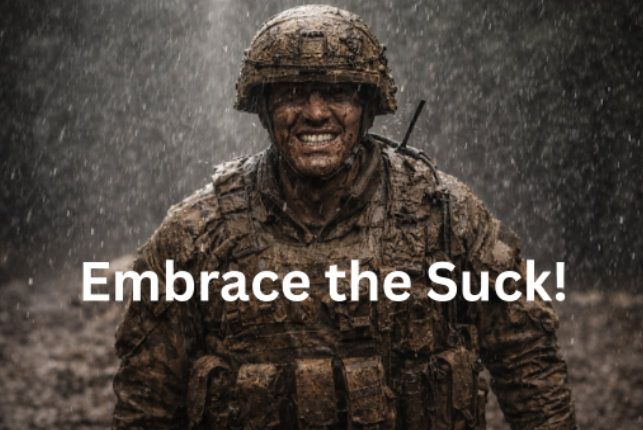
Embrace the suck. Who wants to follow somebody who only sees obstacles? Who wants to follow somebody who only communicates when something needs correcting? Who wants to follow somebody who pulls people down? The answer is nobody. A leader who gets lost in negative thoughts and passes those thoughts and feelings on to the people they are called to lead will not inspire commitment from the team, whether that is at work or at home. Positivity is a choice we get to make. It is a no-brainer to be positive in good times – when things are easy. But when things are difficult, or we are caught in an ugly situation, will we choose Positivity or something less? It’s inevitable that a leader at work or at home will face tests that need someone to exercise Positivity. It is easy to wallow and complain in the midst of tough times. But Leaders of Character do not settle for what is easy. Positivity in tough times is not about ignoring the circumstances; it is about our choices in the midst of the circumstances that allow us to build the Habit of Positivity. Here are three tests of Positivity a leader must pass if they want to become a Leader of Character. Acknowledge the difficulty: Don’t ignore the situation or pretend like everything is easy. In the Army, we used to say, “Embrace the suck.” Acknowledge the suck and then focus everyone, including yourself, on what the next step needs to be. Take some positive action and find a win to celebrate. Then move to the next action. That is how positive momentum grows and Positivity takes over for negativity. Focus on what you can control: The things that suck are almost always out of our control. They might be budget or policy changes. They could be marketplace or political changes. But none of those are in our control. When a leader focuses themselves and everyone else on what is in their control, people feel empowered. They no longer feel helpless. They see they have more power in the midst of circumstances than they thought they did. Encourage more: Most people are doing the vast majority of their jobs pretty well. Is the ratio of encouragement versus correction in line with that? In groups that hear more correction than encouragement, the leader will probably earn compliance. If the leader stops and recognizes all the good work and does it as frequently as people are doing good things, that leader is much more likely to inspire commitment from that team. You don’t have to wait for big, hairy problems to arise to begin exercising Positivity. Every day, somebody will have a problem, a complaint, or do something that will give you a choice between Positivity or negativity. Whichever one you choose, it will make it easier for you to make the same choice again. The more time you pass these Positivity tests, the closer you come to being a positive Leader of Character. Question: What can you do to help others “embrace the suck”? How will the attitude you choose affect those around you?
VLOG – Lying to Ourselves about Little Lies
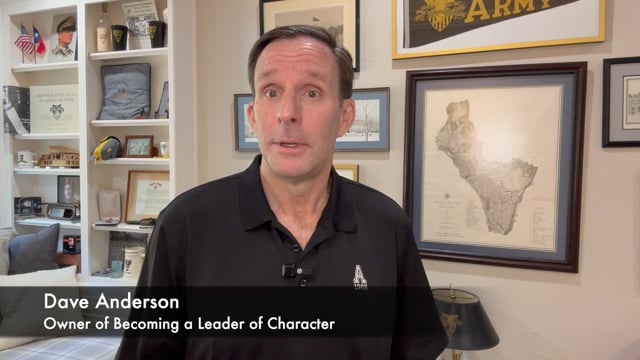
We are lying to ourselves about the impact of little lies. They make a difference because each time we make a choice, a little lie, it makes it easier to make that same choice again. The next 141 seconds is meant to make you rethink that lie you may be telling yourself about little lies.
Three Tests of a Leader’s Duty You Must Pass
“If not me, then who? If not now, then when?” When I ask audiences, “what do great leaders do?” The most frequent answer is “They lead by example.” We define the habit of Duty as “taking action based on our assigned tasks and moral obligations.” It is a leader’s moral obligation to lead by example. Those words may not be in the job description for their role. But, it is still their Duty to lead by example because it is a moral obligation. As a leader, at work or at home, people are always watching and learning from the example we set. The question is, what are they learning when they watch us? This is the fifth in a series of six blogs discussing character tests a leader must pass. But why must they pass these tests? Are they really that important? I will answer that question with a question. Which would you rather lead – a compliant group or a committed team? When a leader fails the daily character tests we’ve been describing in this series, the best that a leader can hope for is a compliant group. People want to follow a Leader of Character. They will comply with someone who is less than that. But they will commit to a leader whom they witness exercising character. Here are three tests a leader needs to pass if they want to do their Duty and set the example for the people they are called to lead. Always Look to Learn: Excuses shift responsibility away from us and onto other people or circumstances. In both cases, the message is, “I had no control, therefore I have nothing to learn from this.” A leader must always look for the lesson. By owning the outcome, even in unforeseen circumstances, the leader has taken the first step towards growth. Excuses are growth killers – for a leader and for those watching the leader. Develop More Leaders: The primary moral obligation of a leader is to make other people better. The job description may involve metrics and other measurable outcomes. But the leader’s real legacy is the people they develop during their tenure. If the leader is not intentional about growing others, the team will stagnate. People will see the leader isn’t invested in them, and they will become a compliant group. Get Your Hands Dirty: Empty a trash can. Train in the rain with the troops. Stay late when the team does. Visit the night shift. Cover the phones. Wash the equipment. We must demonstrate we are willing to do the messy stuff even when it is no longer in our job description. When we do, we demonstrate that nothing is “not my job”. Therefore, nobody on the team will be able to use that as an excuse. On a positive note, your example will lead others to do the same thing for each other. Things will get done that need to be done. Exercising Duty means we pass these three tests and others that challenge our moral obligations. Two questions we can ask ourselves are: “If not me, then who?” “If not now, then when?” When we lead by example by exercising our moral obligations and doing our Duty, our teams will not just be compliant. They will be committed. They will do things because they want to, and they will do more than the minimum. They will exercise the Habit of Duty as well, because they are watching you lead them. They are watching a Leader of Character do what Leaders of Character do. Question: What can you do to pass these tests and set the example? How have other people inspired you by their example?
Three Tests of Selflessness Leaders Must Pass
Selfish people rarely step up in critical situations and do something selfless at a heroic level. Most people don’t want to follow a selfish leader. And most of us don’t want to be considered a selfish leader either. That’s why it’s alarming how many stories about selfish leaders I hear when I am working with leadership teams across the country. I get to interact with law enforcement leaders, fire and rescue leaders, and business leaders. They all tell crazy stories of leaders who think they deserve special attention or special benefits. These selfish leaders can claim that they are in charge. They have people who comply with their wishes. But those people are not committed. The difference between a compliant group and a committed team is often the selfishness or Selflessness of that leader. A selfless leader builds trust and credibility with the people they are called to lead. Each of us is in danger at times of looking out for ourselves first and failing the people we are called to lead. We need to be intentional about Selflessness. We define Selflessness as, “puttting the needs of others before our own needs, desires, or convenience.” Every day, we all face these tests. Selfish people rarely step up in critical situations and do something selfless at a heroic level. The people who are selfless in the small things are prepared to be selfless in the large moments. Here are three tests that test our Selflessness as leaders. If we pass them, we will be prepared for the big moments when Selflessness could be critical. Sacrifice Your Time: The time you spend with somebody sends a message about what you believe is important. If you are constantly looking at your watch or thinking about your next meeting when someone else is speaking to you, your message is, “They don’t matter.” One of the best ways to show them you care is to sacrifice your time for them. Ask More Questions: When you are with somebody, who does most of the talking? Some leaders talk more than they listen. Getting their point of view across is more important than hearing what the other person has to say. Be selfless and ask them about their day, their opinion, and then listen. Work Hard to Understand: Too many people make it their priority to be heard rather than understand the other person. Are you listening or just waiting to talk? Are you leaving that conversation understanding more about them, or do they know more about you? When someone feels heard and understood, they are more likely to buy into us and our leadership. Selflessness takes practice. These tests come daily. How we respond to these tests builds the habit of Selflessness or selfishness. Would you rather follow a selfish leader or a selfless one? This question applies at work and at home. Question: Who do you need to exercise Selflessness with this week? How will passing these tests make you somebody others will want to follow?